
The Brothers Karamazov
The Brothers Karamazov contrasts "all things are lawful" with "every man is a debtor to all." Paul teaches that we owe everyone a Christlike life (Philippians 2:4).


The Brothers Karamazov contrasts "all things are lawful" with "every man is a debtor to all." Paul teaches that we owe everyone a Christlike life (Philippians 2:4).

Jesus broke down the prejudice of His day (John 4:9), and God confronted racism in the church in Acts 10. Racism opposes the unity God desires (Ephesians 2:11-22).

The sting of death is not death but sin (1 Corinthians 15:56). When we are forgiven in Christ, death has no sting, only blessing (Revelation 14:13).
In this lesson, we will answer the question, What is the Church? We must understand God’s original design in the creation. When we understand this, we will understand what the church is in relationship to God’s great plan to restore unity between God and man, and between man and man. Each member should understand God’s desire for unity in the church as the restoration of His purposes in creation.
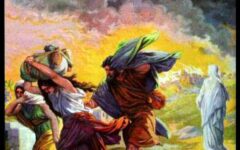
In this lesson we will look at Lot’s escape from Sodom and Gomorrah: 1) A Revelation 2) A Negotiation, 3) A Confrontation, 4) A Destruction. That each may understand God’s perspective when it comes to our need to escape sin.

Some say all religions are the same, but doctrine makes a difference. Are we saved by grace or works? A system of earning salvation encourages immorality, not morality.

We live in a world of distractions. Put others first, practice self-control (1 Corinthians 9:27), and spend time in Bible study and prayer to keep our focus on God.

God does not change (Malachi 3:6), but as we grow spiritually (2 Peter 3:18), we find Him bigger. In times of testing we learn how big our God really is.

Jesus warned against fear many times and came to release us from the fear of death (Hebrews 2:14-15). Only Jesus can take away fear when we put Him in its place.
God is the Father of All because 1) He created All in His Image, 2) He gave His Son for the All the World, 3) He Treats All Without Partiality. The hearer should understand that no one is excluded from a relationship with God. The only barrier is whether we want one or not. The point of this sermon is to remind Christians that God wants everyone in His body, the church.

In Revelation 21, we see how the righteous live forever in the city of New Jerusalem. We see 1) The Coming of the City, 2) The Composition of the City, 3) The Consecration of the City. Each hearer should understand that the New Jerusalem is a spiritual city that will be eternally inhabited by the righteous. It is my aim to impress upon each person that this city is the people of God.
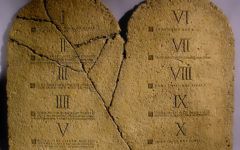
Christianity is a religion of the heart. God writes His laws on our hearts (Hebrews 8:10), and no one else enforces them. To be a faithful Christian, the choice is yours.

In this lesson, we will look at four blessings of salvation 1) Remission of Sin, 2) Refreshing from the Lord, 3) Restoration of Fellowship, 4) Rejoicing in Heaven. The objective of this lesson is for the hearer to better understand and appreciate the spiritual blessings we have in Christ. In understanding our blessings, we should be motivated to live responsibly.

Even if we cured every disease, the mortality rate would still be 100 percent (Hebrews 9:27). Jesus releases us from the fear of death (Hebrews 2:14-15). Do we trust Him?

King Saul claimed, "I have performed the commandment of the Lord" (1 Samuel 15:13), but obeyed only partly. Jesus wants us to obey all His words, not just some.
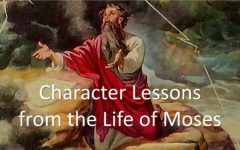
In this lesson we will look at four character lessons from the life of Moses. He 1) Shunned Sin, 2) Practiced Patience, 3) Erred in Excuses, and 4) Manifested Meekness. Each should have more knowledge of Moses and his character. This lesson seeks to help all understand more about Moses character and the example he sets for us today.
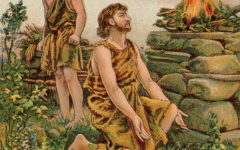
We hear of government and corporate responsibility, but at the judgment only personal responsibility matters. Each will give account for his deeds (2 Corinthians 5:10).

In this lesson we will seek to understand how to pray we must consider the Character, Circumstance, Content, and Consequences of prayer. The listener should be able to learn how to pray effectively. The aim of this sermon is to teach the basic concept of prayer and to help those who are learning.
People often find in the Bible what they want to find. Supporters of socialism misuse passages like Acts 2:44-45, which teach voluntary giving, to support their system.
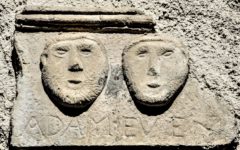
In this study we will observe some lessons from the life of Adam and Eve. 1) God is our creator. 2) God's commands are for our benefit. 3) Satan is our enemy. 4) Sin separates man from God. Each listener should be able to apply these lessons from the account of Adam and Eve in Genesis 1-3. The aim of this lesson is to review the first three chapters of the Bible specifically as applies to man and to learn not to repeat the mistakes that were made by Adam and Eve.