
Calvinism and Romans – Part 2
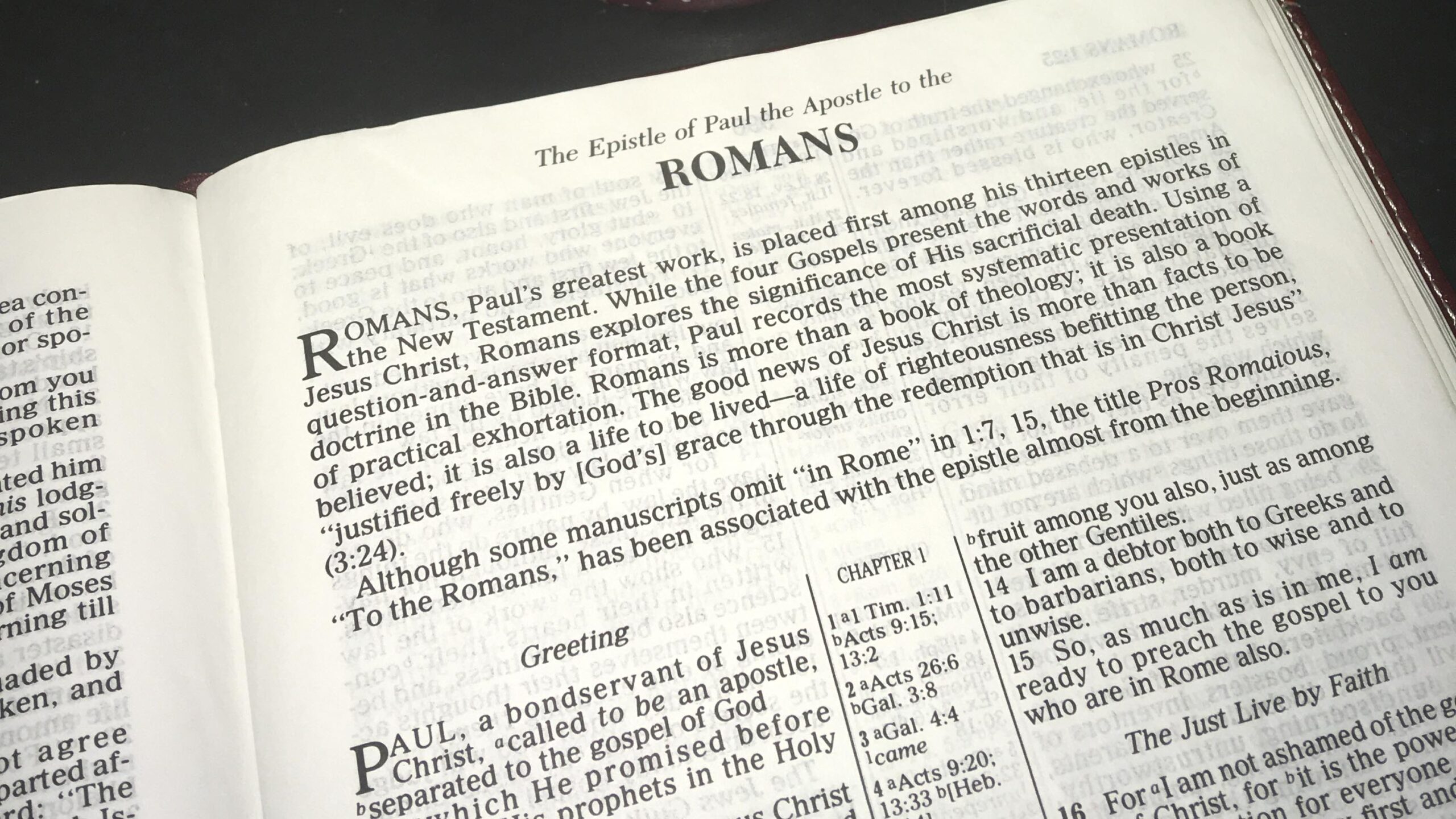
Calvinists love to cite Romans 9:14-18 as foundational to their teaching on individual and personal election. The verses state the following:
What shall we say then? Is there unrighteousness with God? Certainly not! For He says to Moses, ‘I will have mercy on whomever I will have mercy, and I will have compassion on whomever I will have compassion.’ So then it is not of him who wills, nor of him who runs, but of God who shows mercy. For the Scripture says to the Pharaoh, ‘For this very purpose I have raised you up, that I may show My power in you, and that My name may be declared in all the earth.’ Therefore He has mercy on whom He wills, and whom He wills He hardens.
Calvinism asserts that these verse prove God individually chooses/elects who is saved and lost and that the individual has no say in the matter whatsoever. Calvin wrote in his commentary on Romans the following:
Here follows the conclusion of both parts… There is therefore no doubt but that Paul… speaks these things in his own person, namely, that God, according to his own will, favors with mercy them whom he pleases, and unsheathes the severity of his judgment against whomsoever it seemeth him good. That our mind may be satisfied with the difference which exists between the elect and the reprobate, and may not inquire for any cause higher than the divine will, his purpose was to convince us of this — that it seems good to God to illuminate some that they may be saved, and to blind others that they may perish: for we ought particularly to notice these words, to whom he wills, and, whom he wills: beyond this he allows us not to proceed.
Upon initial inspection, it appears that Calvin’s conclusions are correct, but when we examine the context of what Paul is writing in Romans, we find a far different picture. What is the apostle Paul writing about in the book of Romans? Let’s find out.
God bless you, and I love you.
Kevin Cauley